

Residential
Balance daylight, privacy, views, rest, and daily routines across the distinct needs of the home.
EXPLORE RESIDENTIAL →
Custom motorized roller shades designed around the light, privacy, views, and daily rhythms that shape each interior.
As daylight, glare, privacy, and views change throughout the day, motorized roller shades can adapt to the changing needs of the space.
The movement shown is illustrative; actual operation and results depend on the selected system and project conditions.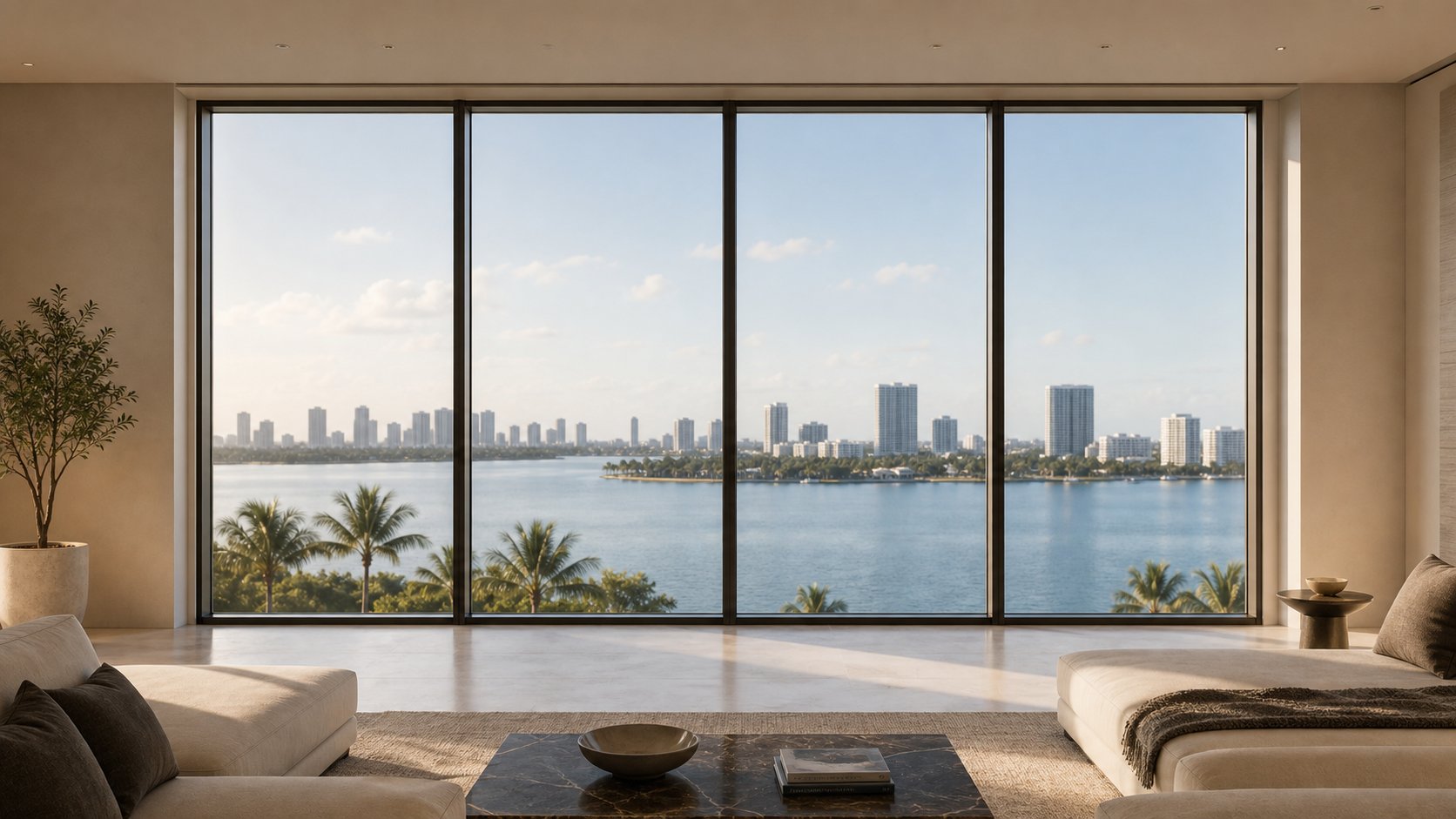 ILLUSTRATIVE MOVEMENT
Each fabric responds differently to daylight, privacy, glare, and views. The appropriate direction depends on the room, its exposure, and how it is used.
Filters daylight while maintaining a visual connection outdoors. Openness, lighting conditions, and fabric selection influence glare, privacy, and view.
COMPARE THIS DIRECTION →
Softens incoming light and creates a more diffused atmosphere. Privacy and visible silhouettes vary with the fabric and lighting on each side.
COMPARE THIS DIRECTION →
Supports spaces where greater light control and privacy are priorities. Final room-darkening performance depends on the fabric, mounting, light gaps, and project conditions.
COMPARE THIS DIRECTION →Compare each fabric direction in the same space.
Explore how broad fabric directions may influence daylight, privacy, views, and atmosphere within the same space.
This visualization is illustrative and not color-accurate. Actual appearance and performance depend on the selected fabric, lighting, mounting, and project conditions. Physical samples and a review of the space are recommended before making a final selection.Motorization shapes how shades respond to the architecture, daily routines, and changing needs of each environment.
Window location, shade grouping, frequency of use, power requirements, and the desired level of control all help define the appropriate solution.
Control options and system compatibility must be confirmed for the selected products and specific project conditions.The appropriate roller shade direction begins with how the environment is used and experienced each day.
Balance daylight, privacy, views, rest, and daily routines across the distinct needs of the home.
EXPLORE RESIDENTIAL →
Coordinate glare, privacy, visual consistency, and daily use around the people and activities within the environment.
EXPLORE COMMERCIAL →Every roller shade project is shaped by a combination of visual priorities, physical conditions, and the way the shades will be used.
DISCUSS YOUR PROJECT →Consider how sunlight, exposure, privacy needs, and desired views change across the day.
Select the appropriate fabric direction according to the atmosphere, privacy, and light management the space requires.
Review each opening, available mounting area, and surrounding architectural conditions before determining the system.
Plan power, shade groupings, and control preferences as coordinated parts of the project.
Coordinate visible components and material choices with the surrounding interior and design intent.
Confirm access, surfaces, clearances, and other site-specific requirements before final selection.
Each project moves through a clear sequence of evaluation, selection, coordination, and installation shaped by the actual windows and environment.
BEGIN YOUR CONSULTATION →We begin by understanding the space, its daily use, design intent, and window-treatment priorities.
Window dimensions, mounting conditions, access, and relevant project requirements are reviewed.
Fabric, hardware, finishes, motorization, and control preferences are coordinated as part of a unified system.
The selected direction is confirmed against the documented scope and applicable project conditions.
The approved system is installed, reviewed, and presented within the completed space.
These design scenarios illustrate how light, privacy, views, daily use, and architectural conditions can shape the direction of a roller shade project.
These images and recommendations represent design scenarios, not completed Luminix projects. Final suitability depends on the actual space, selected products, and project conditions.EXPLORE THE GALLERY →Screen fabrics may help manage daylight and glare while maintaining a visual connection to the view.
Room-darkening directions may be considered where rest, privacy, and greater light reduction are priorities.

Screen or translucent fabrics may support changing daylight, screen use, privacy, and the desired atmosphere.

Translucent or screen fabrics may soften incoming daylight while supporting the atmosphere and outward connection of the space.

A design consultation brings together the windows, light, privacy, daily use, and project conditions into one considered recommendation.